

20-Day Singer Hydration Challenge
Simple daily habits to support vocal ease, efficiency, and recovery during the busy winter season.
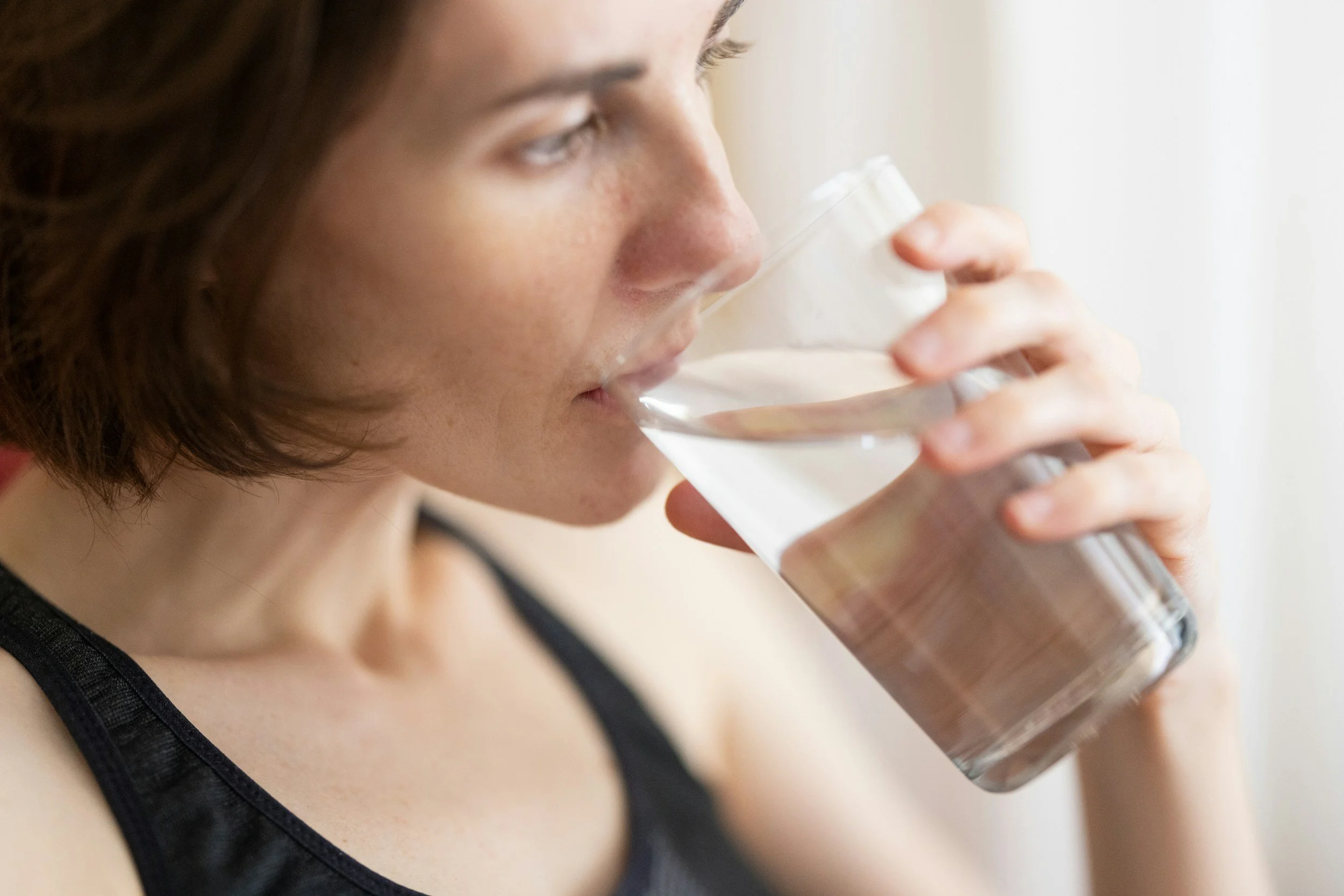
Staying hydrated is one of the simplest and most effective ways to support vocal ease during the busy winter singing season. With cold weather, dry indoor air, and long rehearsals, singers often need more moisture than they realize.
This 20-Day Hydration Challenge offers small, practical habits you can use to keep your voice flexible, responsive, and resilient throughout the month.
Challenge: Drink one full glass of water before coffee, tea, or cocoa.
Why it helps: Winter air is dry. Starting the day with water helps reduce stiffness in the vocal folds and supports easier phonation from the first sound you make.
Challenge: Carry a water bottle with you all day—especially to rehearsals and lessons.
Why it helps: Having water nearby encourages frequent small sips, which support steady hydration rather than big gulps here and there.
Challenge: At rehearsal, take two sips of water every time the conductor stops to talk.
Why it helps: Linking sips to natural pauses in rehearsal builds an easy, repeatable habit that supports vocal stamina.
Challenge: Choose warm or room-temperature water instead of ice-cold drinks.
Why it helps: Warm water is more comfortable for many singers and avoids the temporary tightness that very cold liquids can cause.
Challenge: Add crushed blueberries, strawberries, or raspberries to at least one bottle or glass of water today.
Why it helps: Light flavor often encourages more frequent sipping, and hydrating consistently is the real goal.
Challenge: Run a room humidifier tonight, or place a bowl of water near a heat source.
Why it helps: Indoor heating is very drying. Adding moisture to the air helps keep the vocal tract from feeling parched overnight.
Challenge: Lean over a sink of comfortably warm (not hot) water and take 2–3 gentle breaths of steam or take a warm shower.
Why it helps: Steam offers direct surface moisture to the upper airway and can feel soothing when the environment is very dry.
Challenge: Include at least two servings of water-rich foods today (such as fruit or vegetables).
Why it helps: Hydration from food is absorbed more slowly, supporting a more stable fluid balance throughout the day.
Challenge: If possible, lower your thermostat by just one degree.
Why it helps: Slightly cooler rooms can reduce how aggressively the heating system runs, which may lessen air dryness.
Challenge: Aim to take a small sip of water about every 30 minutes today.
Why it helps: Frequent, modest sips support steadier hydration than infrequent large drinks.
Challenge: During rehearsal, sip water between sections or pieces—not just at the very end.
Why it helps: Supporting hydration throughout the rehearsal keeps the voice more responsive and reduces end-of-night fatigue.
Challenge: Take several sips of water right after your vocal warm-ups.
Why it helps: Warm-ups increase airflow and tissue activity; a bit of water afterward supports comfort as you move into repertoire.
Challenge: Use a note on your phone or a simple tally to track how much water you drink today.
Why it helps: Many of us underestimate our intake. Tracking builds awareness and can highlight patterns on heavy singing days.
Challenge: After a brief straw phonation sequence (SOVT), drink 4–6 oz of water.
Why it helps: Combining semi-occluded vocal tract exercises with hydration can help lower perceived effort and re-balance airflow.
Challenge: At holiday gatherings, notice when you start to raise your voice. Step closer, turn your body toward the person, and sip water instead of shouting over the noise.
Why it helps: Loud social talking plus dry environments is a common source of vocal fatigue in December.
Challenge: Focus on drinking water steadily in the hours before your performance.
Why it helps: Systemic hydration (what actually reaches the tissues) depends on what you drink well ahead of time, not just right before walking on stage.
Challenge: Bring a small thermos of warm water backstage or to the choir loft.
Why it helps: Having warm water available right where you sing increases the likelihood you’ll keep sipping throughout the event.
Challenge: After a rehearsal or performance, spend the next hour sipping water.
Why it helps: Post-singing hydration supports tissue recovery and may reduce how fatigued the voice feels the next morning.
Challenge: Pair good hydration with going to bed a bit earlier tonight.
Why it helps: Sleep supports overall fluid regulation and healing; together with hydration, it can make the morning voice feel noticeably better.
Challenge: Enjoy your favorite warm drink—cocoa, tea, or a latte—and pair it with a glass of water.
Why it helps: Caffeinated and sugary beverages don’t count as hydration, but they can absolutely be part of a celebration when balanced with water.
You made it through 20 days—your voice thanks you.
Quisque iaculis facilisis lacinia. Mauris euismod pellentesque tellus sit amet mollis.